
Disadvantages of Travertine Stone Tables: What to Know
Click:
Time:2024-08-17 12:13:12
Why Consider the Drawbacks of Travertine Before Purchasing?
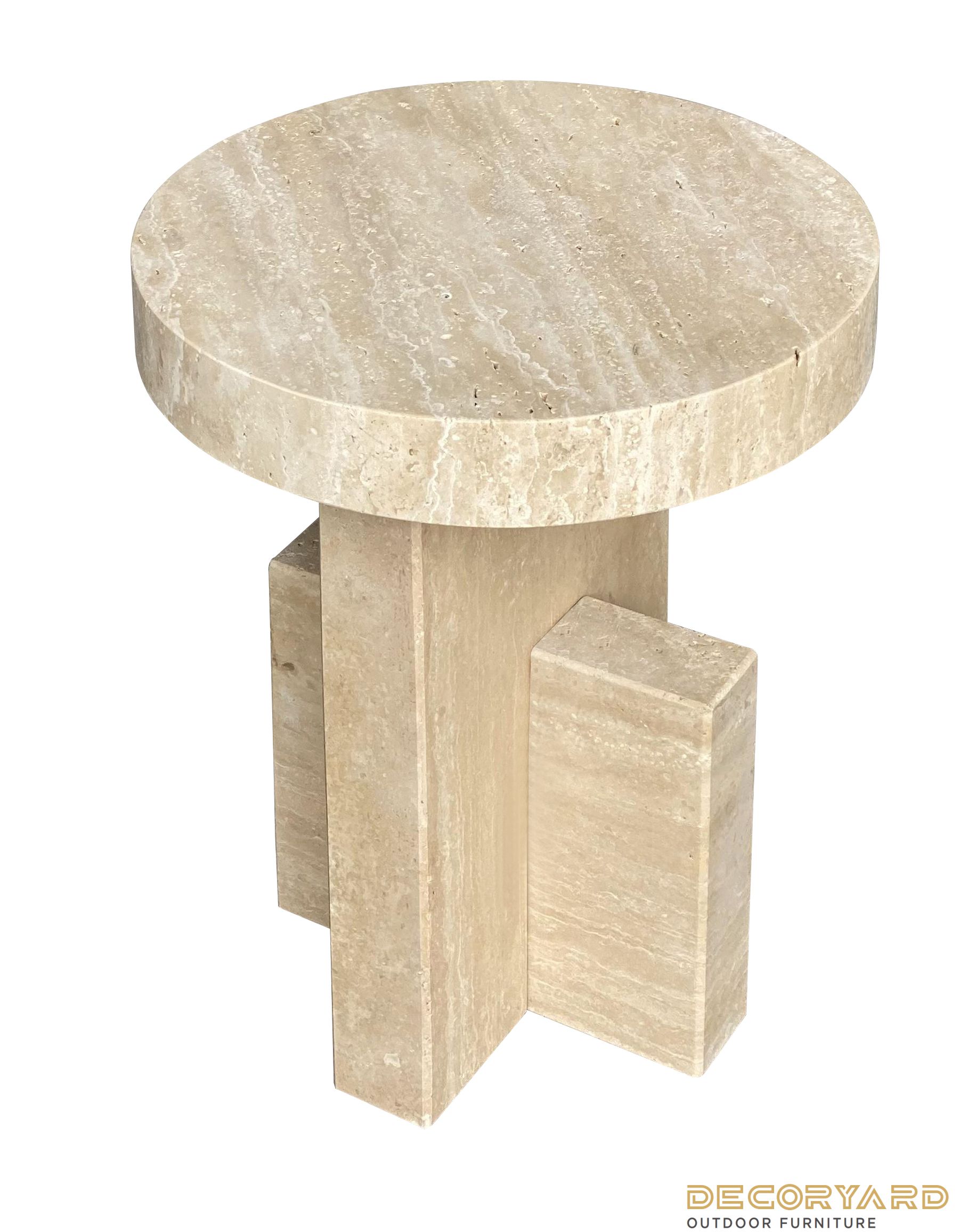
Travertine stone tables are often admired for their natural beauty and timeless appeal, making them a popular choice for both indoor and outdoor furniture. However, as with any material, there are certain disadvantages that potential buyers should consider before making a purchase. Decoryard, a leading outdoor furniture manufacturer, believes in helping customers make informed decisions by providing a clear understanding of both the benefits and drawbacks of travertine stone tables.
How Does Porosity Affect Travertine Tables?
One of the most significant disadvantages of travertine stone tables is their porosity. Travertine is a naturally porous material, which means it has numerous tiny holes and channels throughout its structure.
- Staining Risk: Due to its porosity, travertine is highly susceptible to staining. Liquids such as wine, coffee, or oil can easily seep into the stone, leaving behind unsightly stains that are difficult to remove. This makes travertine less ideal for areas where spills are likely to occur, such as dining tables or outdoor settings exposed to the elements.
- Sealing Requirements: To mitigate the risk of staining, travertine tables require regular sealing. While sealing can help protect the stone, it adds to the maintenance requirements and costs associated with owning a travertine table. Failure to reseal the table periodically can lead to permanent damage, diminishing the stone’s aesthetic appeal.
What Are the Durability Concerns with Travertine Stone?
Travertine is a relatively soft stone compared to other natural stones like granite or marble. This softness can lead to several durability issues that potential buyers should be aware of.
- Susceptibility to Scratches and Chips: The softness of travertine makes it more prone to scratches, chips, and dents. Everyday use, especially in outdoor environments where the table might be exposed to rough objects or weather conditions, can quickly lead to visible damage. This makes travertine less suitable for high-traffic areas or families with young children.
- Vulnerability to Cracking: Travertine can be vulnerable to cracking, especially if subjected to heavy impacts or if the table is not properly supported. Cracks not only compromise the structural integrity of the table but can also be difficult and expensive to repair.
How Does the Weight of Travertine Impact Its Practicality?
Another disadvantage of travertine stone tables is their significant weight. Travertine is a dense material, which means tables made from it can be extremely heavy.
- Difficult to Move: The heavy weight of travertine tables makes them difficult to move, which can be a challenge during cleaning, rearranging, or relocating the table. This is particularly problematic for outdoor settings, where furniture might need to be moved seasonally or during bad weather.
- Requires Strong Support: Due to their weight, travertine tables require strong, stable support to prevent damage to both the table and the surface it rests on. This may limit where the table can be placed, especially on softer surfaces like grass or gravel, where the table may sink or tilt.
What Are the Cost Implications of Travertine Maintenance?
Maintaining a travertine stone table involves ongoing costs and efforts that potential buyers should consider.
- Regular Sealing Costs: As mentioned earlier, travertine requires regular sealing to protect against stains and damage. This involves purchasing sealant and possibly hiring a professional to apply it, adding to the long-term cost of ownership.
- Special Cleaning Requirements: Travertine tables require special cleaning products that are pH-neutral and designed for natural stone. Using the wrong cleaning agents can etch or dull the surface, leading to costly restoration efforts.
- Repair Costs: If a travertine table is chipped, cracked, or stained, repairs can be expensive and may not fully restore the table to its original condition. In some cases, damage may be irreversible, leading to the need for a costly replacement.
How Does the Aesthetic Appeal of Travertine Compare to Its Practicality?
While travertine stone tables are undoubtedly beautiful, their practical disadvantages often outweigh their aesthetic appeal for many homeowners.
- High Maintenance: The need for regular sealing, careful cleaning, and the risk of damage make travertine less practical for those seeking low-maintenance furniture. For individuals who prefer furniture that looks good with minimal upkeep, other materials may be more suitable.
- Limited Versatility: The potential for staining, scratching, and cracking means that travertine tables are less versatile than other options. They may not be the best choice for homes with children, pets, or frequent outdoor gatherings, where the risk of damage is higher.
Why Should You Consider Alternatives to Travertine Stone Tables?
Given the disadvantages of travertine stone tables, potential buyers may want to consider alternative materials that offer similar aesthetic appeal with fewer drawbacks.
- Granite or Quartz: For those who appreciate natural stone, granite or quartz tables offer greater durability, resistance to staining, and lower maintenance requirements than travertine.
- Metal or Composite Materials: These materials can mimic the look of stone while providing superior durability and lower maintenance needs, making them ideal for outdoor settings or high-use areas.
- Tempered Glass or Ceramic: These materials offer a sleek, modern look with the added benefit of being easier to clean and maintain than natural stone.
In conclusion, while travertine stone tables are undeniably attractive, they come with several significant disadvantages that potential buyers should carefully consider. The high maintenance, susceptibility to damage, and practical limitations make them less suitable for many environments, particularly for those seeking durable and low-maintenance furniture. At Decoryard, we encourage our customers to weigh the pros and cons of travertine carefully and explore alternative materials that might better meet their needs.
Tag: Parasol, Dining set, Sofa, Sunlounge, Swing, Solar lighting, Side table
Contact
Address: Room 307, RongHua Trading Plaza, QiaoGao Road, Xiqiao Town, Nanhai District, Foshan City, GuangDong, China
Email: Info@decoryardoutdoor.com
Postal Code : 528211
Website: www.decoryardoutdoor.com
Copyright © Foshan DecorYard Outdoor Furniture Co.,Ltd All rights reserved
